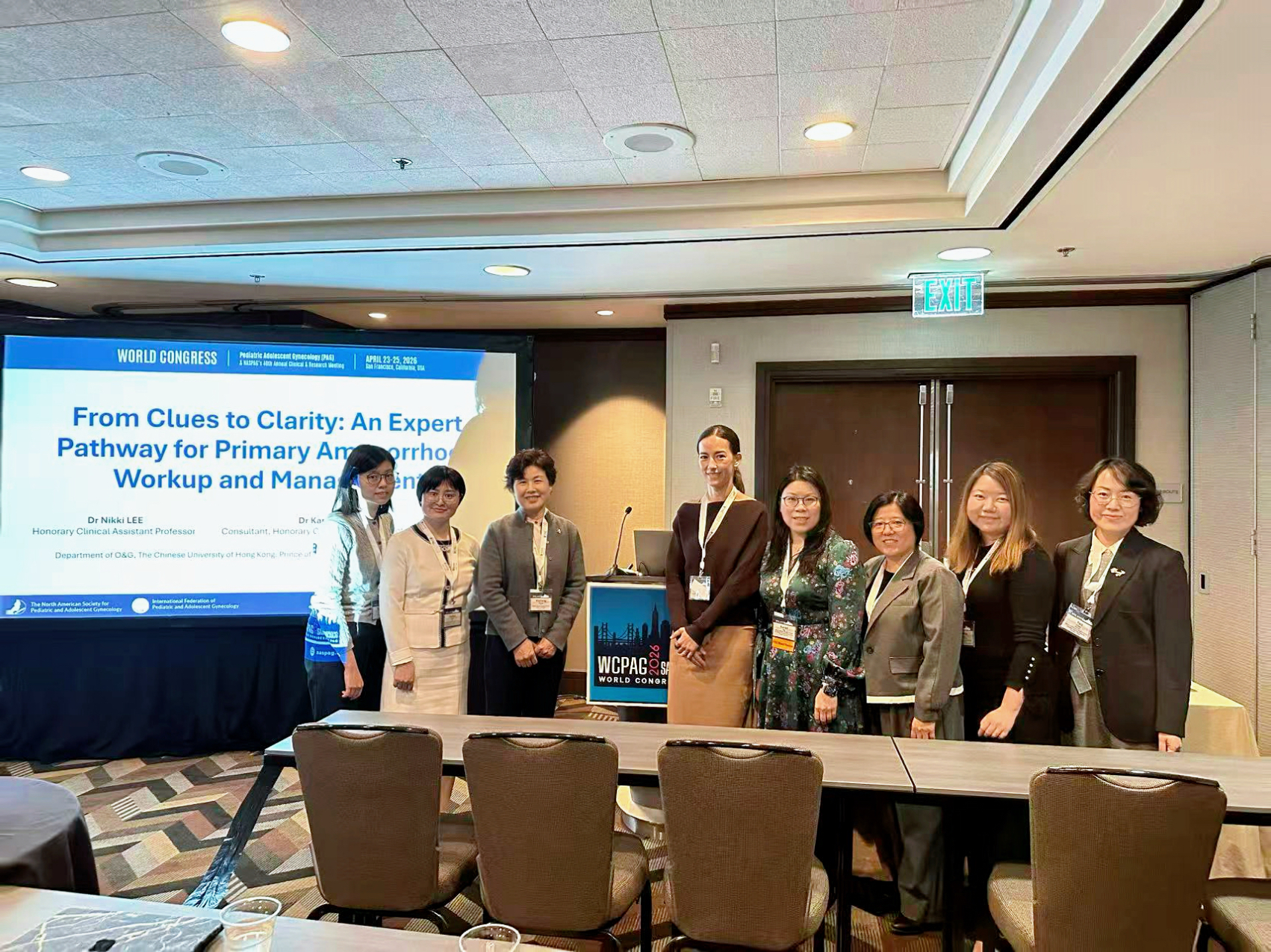
Highlights from the World Congress of Paediatric and Adolescent Gynaecology (WCPAG), San Francisco, 23–25 April 2026
I attended WCPAG, co‑organised by the International Federation of Pediatric and Adolescent Gynaecology (IFEPAG) and the North American Society for Pediatric and Adolescent Gynecology (NASPAG). Over 700 clinicians, researchers, allied health professionals, trainees and patient advocates attended from across the globe.
Purpose and scope
The conference aimed to improve patient care by connecting experts to discuss evidence-based clinical practices, share innovations, and foster collaboration in paediatric and adolescent gynaecology. Major focal areas included minimally invasive technologies, sustainable practice, fertility preservation and the emerging role — and controversies — of artificial intelligence in clinical care and research.
Notable sessions and educational value
There was a series of inspirational plenary sessions. In particular, the sessions on sustainable practices, health misinformation and modern menstruation were most thought-provoking. The plenary on modern menstruation and adolescent menstrual health brought together public health, clinical and advocacy perspectives, highlighting gaps in education and access to management options. It emphasised that menstrual health extends beyond product availability to include rest spaces for menstrual discomfort, adequate washing facilities, education and efforts to combat taboos. The health‑misinformation session offered practical strategies to improve patient engagement and trust. The sustainable practice session examined healthcare’s environmental impact and practical ways to reduce unnecessary waste. Plenaries on Turner syndrome and endometriosis provided concise, evidence‑based updates on diagnosis, monitoring and management, with clear implications for surveillance and fertility counselling and discussion of research directions such as biomarkers of ovarian reserve.
Hands‑on workshops were highly practical and suitable for varied experience levels. For example, I attended a workshop which provided guidance on how to perform a systematic assessment for paediatric vulval conditions, especially with uncooperative kids, and utilised 3-D printing models to simulate different conditions. This was an excellent session for someone in early career like me.
There were diverse topics for roundtable discussion every morning. The management of tubal pathologies was informative and I was impressed on the diverse management options from clinicians cross the globe. One of the topics which I think was very creative and though-provoking was whether hormonal options and tranexamic acid tablets were crushable and chewable. The session quoted a substantial of pediatric and adolescent patients struggling to swallow pills – and during this session was when I realised the limitations and conerns especially with lack of data regarding bioavailability of formulations.
Other small‑group workshops allowed tailored learning suited to different topics of interests, for example the management of paediatric ovarian cyst, fertility preservation in Turner syndrome and Fragile X syndrome, oncofertility, novel contraceptives for adolescents, sexual and reproductive health in those with special needs.
Key themes and takeaways
- Equity and access: A dominant theme was health equity — ensuring care is accessible to disabled populations, lower‑income groups and underserved regions. Sessions emphasised culturally sensitive, multidisciplinary models and capacity‑building in low‑resource settings.
- AI and digital health: Speakers debated the ethical and practical implications of AI — from decision support to research optimisation — stressing the need for transparency and validation.
- Fertility preservation and biomarkers: Advances in fertility - biomarkers for fertility and ovarian reserve, improved fertility preservation techniques - were highlighted, alongside discussions on standardising indications and outcomes reporting.
- Genetics and genomics: The growing role of genomic testing in diagnosis, counselling and personalised management in PAG conditions was discussed
The engagement of patient advocates was one of the most special and valuable components in the congress. In a roundtable on differences in sexual development (DSD), discussions addressed whether and when to medicalise DSDs versus regarding them as natural diversity — balancing medical benefit against psychosocial impact. A patient representative from an MRKH group shared lived experience of incontinence with vaginal dilation, reminding clinicians that dilation is not universally desired or appropriate and that individualised counselling is essential.
The congress facilitated valuable international networking opportunities. San Francisco provided a vibrant backdrop for social and professional exchange.
Conclusion and next steps
WCPAG 2026 reinforced the importance of multidisciplinary, patient‑centred, equity‑focused care and highlighted exciting advances in fertility preservation, genomics and digital tools. I left motivated to incorporate evidence‑based surgical techniques for congenital anomalies, deepen my understanding of biomarkers like AMH, and explore ways to teach trainees more effectively. The next WCPAG will be held in Manila in 2029 — I look forward to the event with great enthusiasm.